
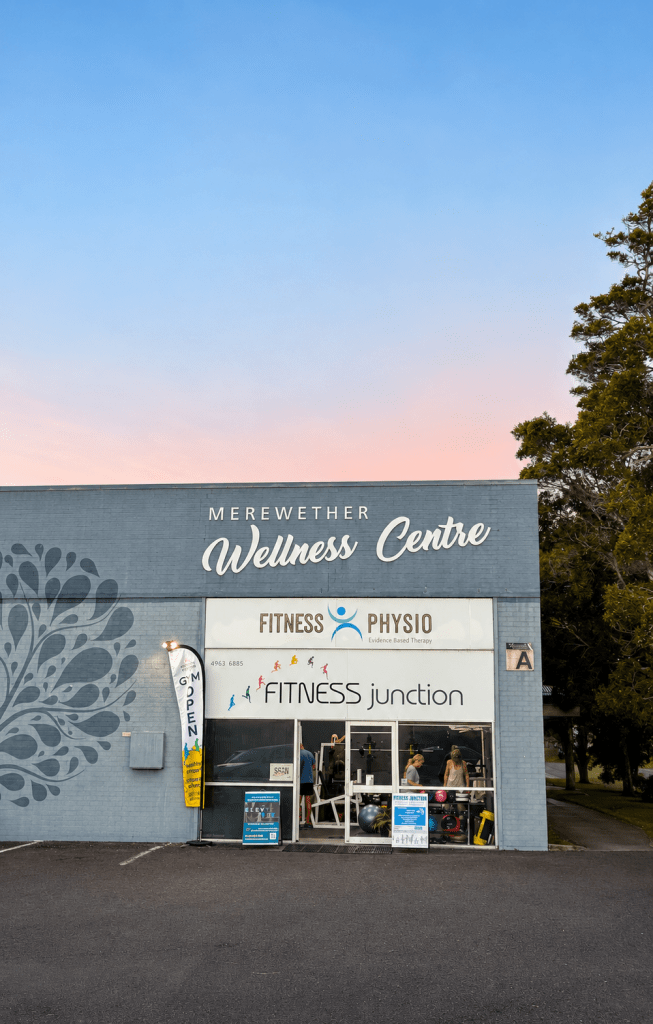
Physiotherapy in Merewether, Newcastle
Reduce pain, move better and get back to what matters
Hands-on physiotherapy and evidence-based rehab for back pain, neck pain, sports injuries, gym injuries and ongoing pain.
At Fitness Physio in Merewether, we help you understand what’s going on, what you can keep doing, what may need to change, and how to build a clear plan for recovery.
✓ No referral needed — you can book directly

Our services
Physiotherapy services for recovery, strength and performance
ONERO® Program
ONERO®-trained physiotherapists provide strength and impact-based exercise classes for people with osteoporosis or osteopenia.

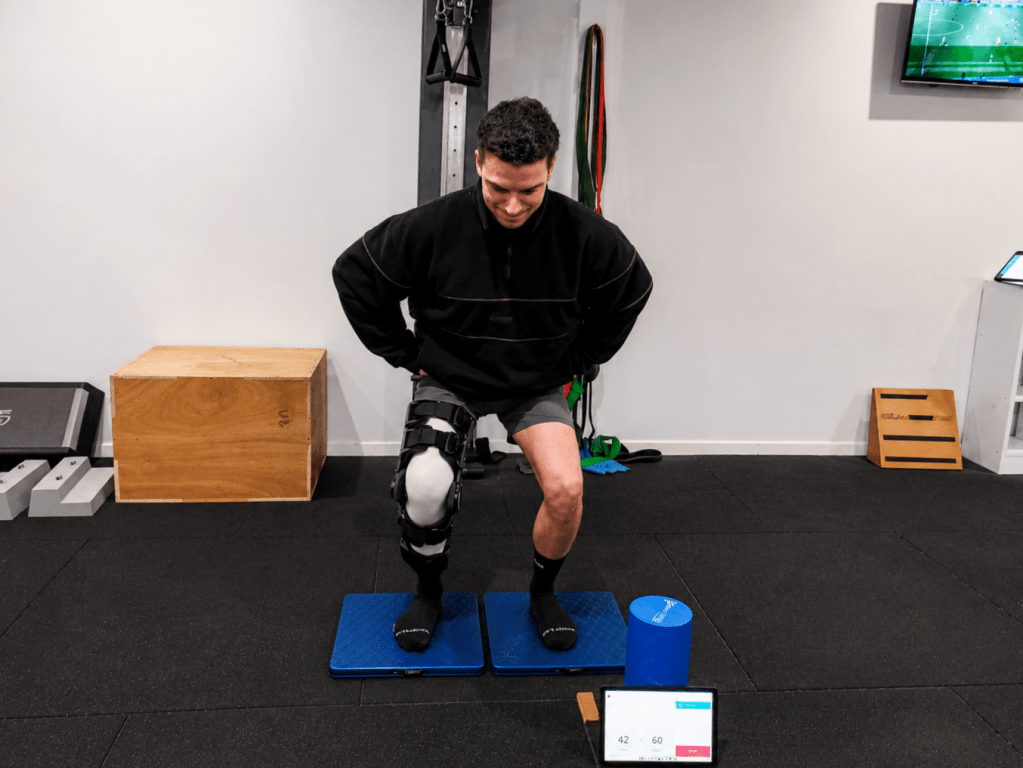
ACL & Knee Rehab
Rehab for ACL injuries, knee pain, meniscus injuries, including Cross Bracing support for suitable ACL injuries.
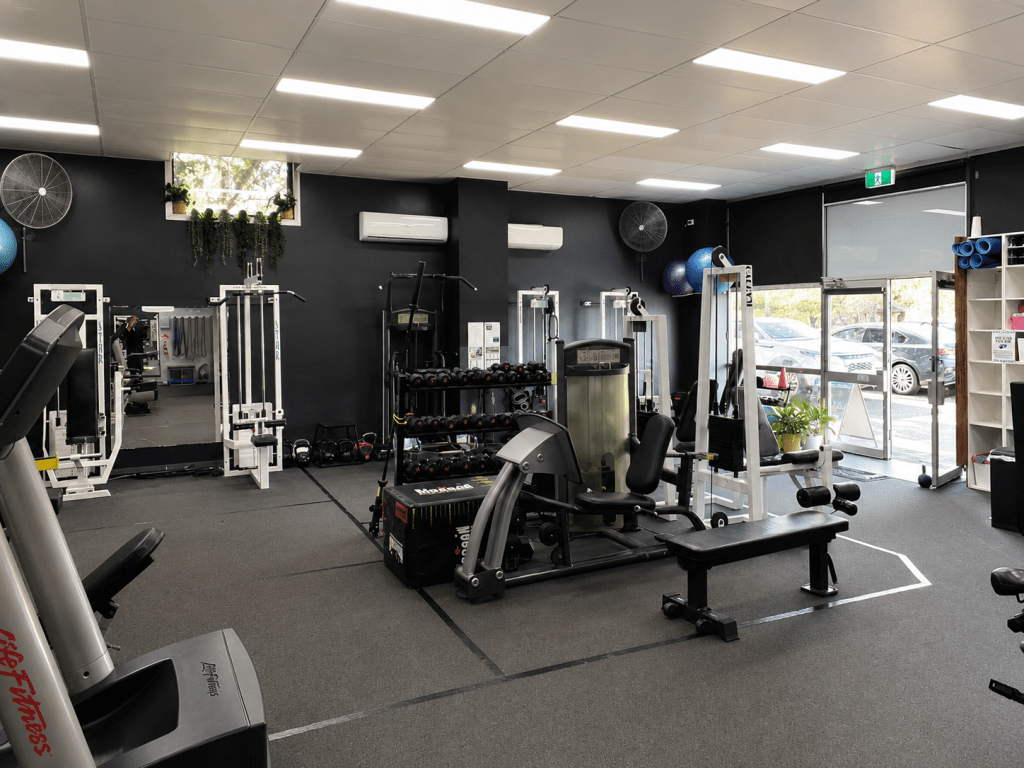
Onsite rehab gym
Guided rehabilitation in our onsite gym to help you rebuild strength, improve confidence and return to work, sport or training.
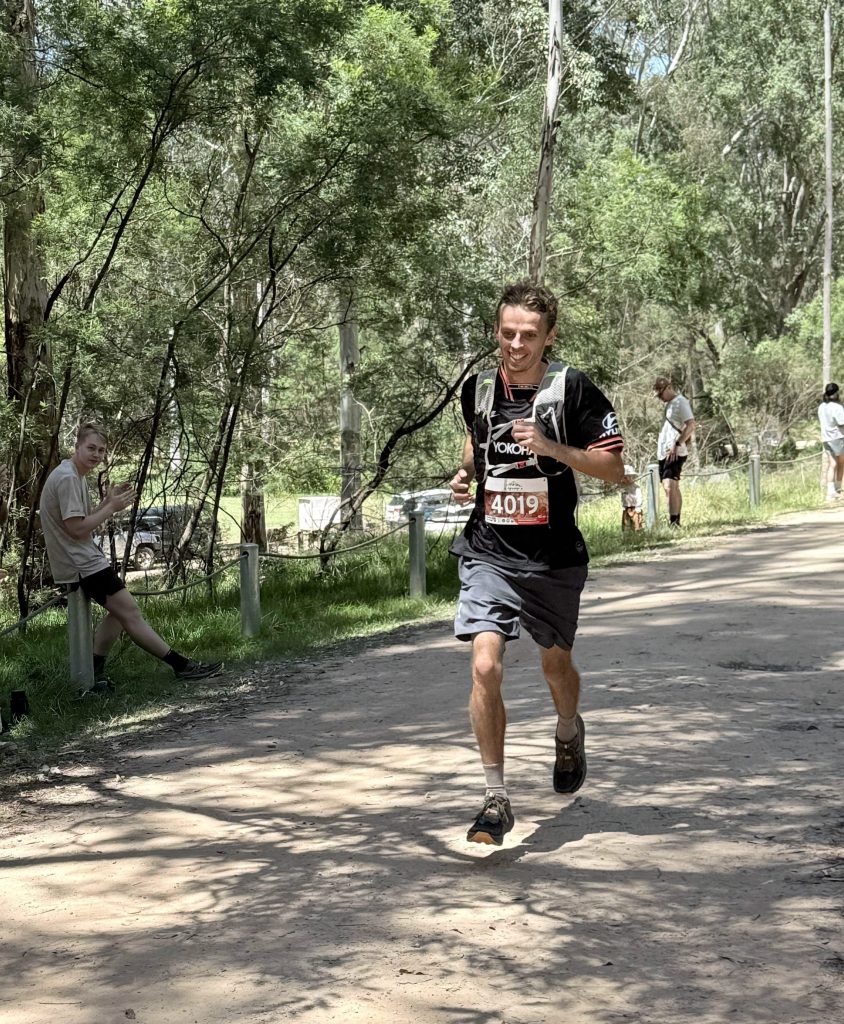
Running physiotherapy
Assessment, treatment and rehab for runners dealing with shin pain, Achilles pain, calf strains, knee pain or recurring training issues.
What we help with
Pain shouldn’t decide what you can do
Pain and injury can stop you from working comfortably, training at the gym, playing sport, sleeping well or moving without worrying you’ll make things worse. We regularly help with:
Whether your pain started suddenly, built up over time, or keeps coming back, a clear assessment is the best place to start.
Why Fitness Physio
More than short-term relief
We combine hands-on physiotherapy with active rehabilitation, so treatment is about helping you understand the problem, rebuild capacity and return to the activities that matter.
✓ Clear assessment first
We look at what may be contributing to your symptoms.
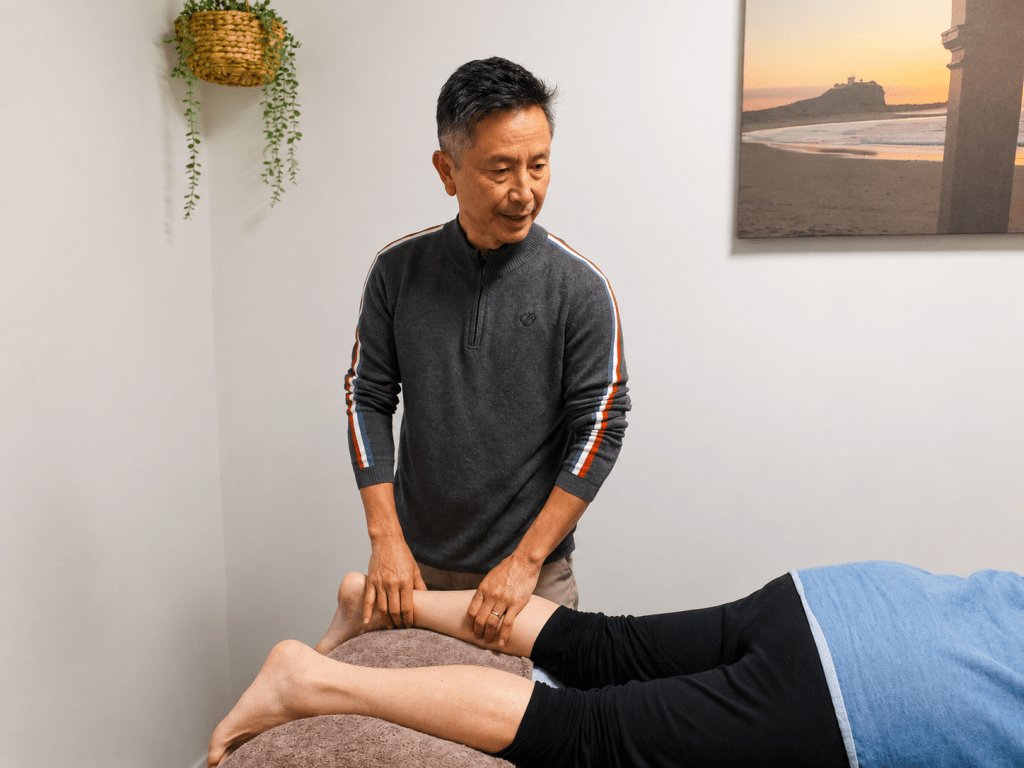
✓ Hands-on treatment where appropriate
To help reduce pain and improve movement.
✓ Evidence-based rehab
Practical exercise, load management and strength work.
✓ Onsite rehabilitation gym
To progress beyond basic exercises.
✓ Sport, spinal and work injury experience
For return to work, gym, running, sport and daily life.
Our approach
A clear path to recovery
1
Assess
We listen to your story, understand your goals and assess your movement, strength and function.
2
Treat
Depending on what we find, treatment may include hands-on physio, education, advice, exercise rehab and load management.
3
Rebuild
We help you build strength, confidence and capacity so you can work toward returning to work, sport, gym or daily life.
Your first visit
What to expect at your first appointment
Your first appointment is about getting clarity. We will talk through your symptoms, assess relevant movement and strength, explain what may be contributing, and create a plan for what happens next.
You do not need a referral. If we think you need imaging, medical review or another pathway, we will explain why.
Meet the team
Meet your physio team
Our team works with people across a wide range of injuries, ages and activity levels. Whether you have ongoing back pain, a sports injury, work-related pain or a problem that keeps returning, we can help you understand what is going on and what to do next.
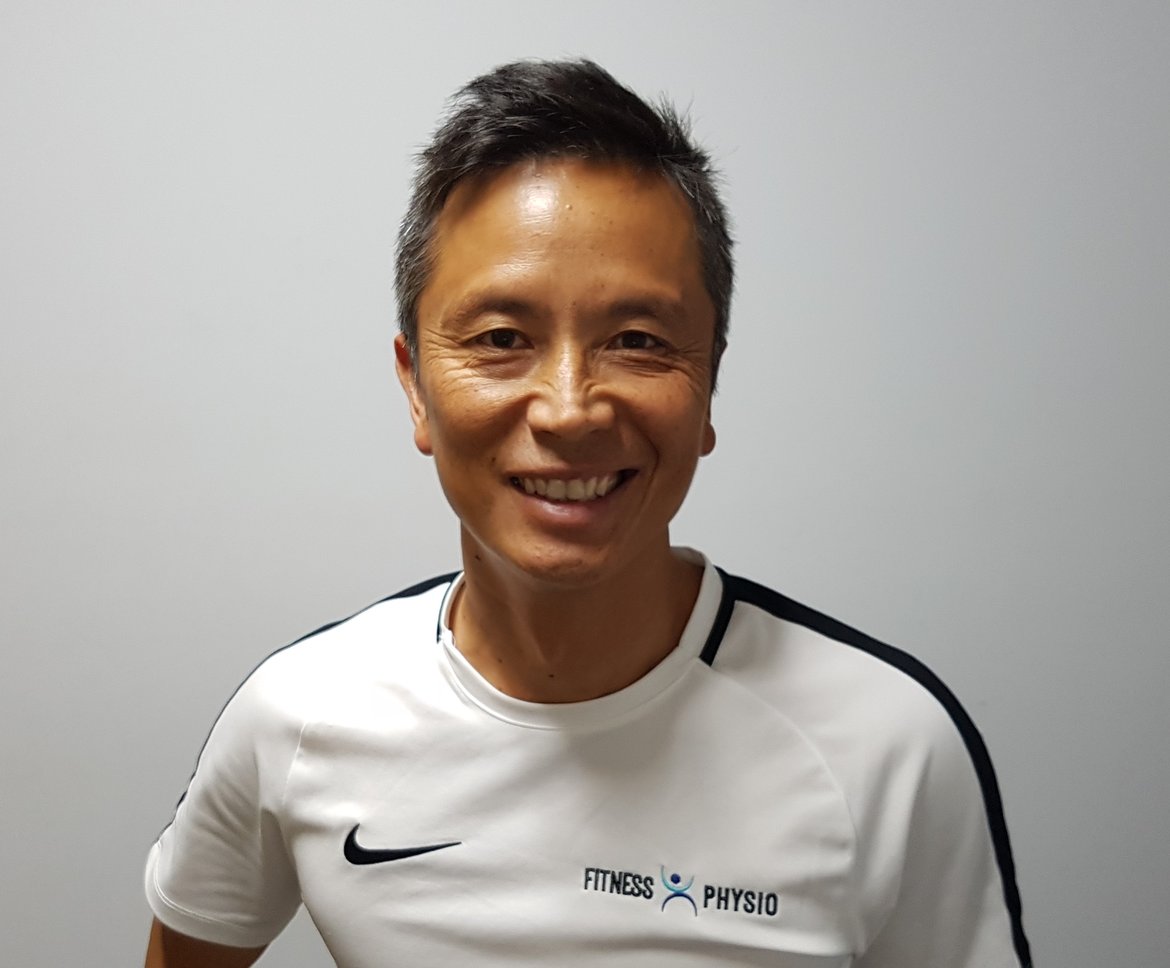
Tommy Nguyen
Jed Grant

Po Chun Liu

Nathan Tuntevski
FAQ
Frequently asked questions
No. You can book directly without a referral.
We help with back pain, neck pain, sports injuries, gym injuries, work-related pain, post-injury rehab and ongoing pain or movement problems.
We listen to your story, assess your movement and strength, explain what may be contributing, and create a treatment and rehab plan.
You have the option of a 30 or 60 minute initial appointment. We recommend 60 minutes for most new patients. This ensures we have time to give you a thorough first session including assessment, treatment and a strong plan.





Ready to get started?
If pain, injury or reduced confidence is stopping you from working, training, playing sport or enjoying daily life, book an initial physiotherapy assessment at Fitness Physio in Merewether. We will help you understand what is going on and how to start moving forward with a clear plan.